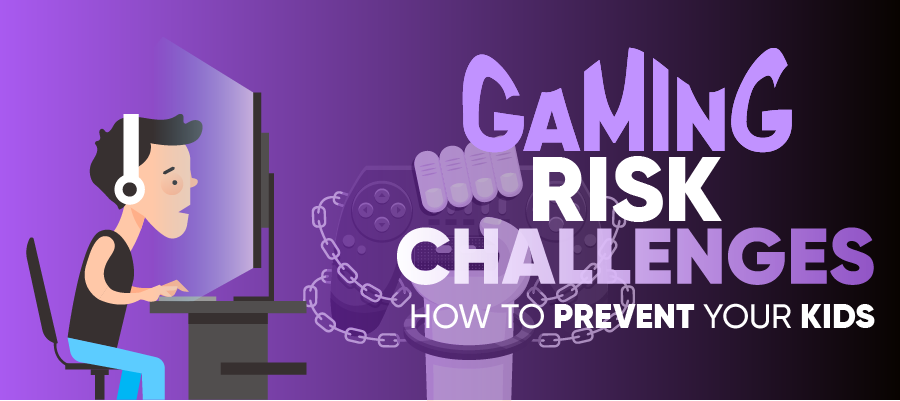
With the kids spending 1.5-2 hours daily on gaming, worries around intervention, mental well-being, and online exposure are increasing. Gaming platforms such as Roblox and Discord place children at risk of online predators who adopt a childish voice to gain trust and share personal information. Nearly 80% of children receive unwanted contact online.
Fraud is another furious threat, with scams like “free V-bucks” luring children to provide passwords and credit card numbers. Guided by a “claw” on a video screen, players at arcades, malls, and restaurants across the state drop a dozen quarters into a game, aiming to grab a Baby Shark or 80s-inspired crystal earrings, and many spend cash in the form of mystery boxes, often hidden from parents. Peer pressure and unhealthy attitudes, such as harassment, hate speech , and bullying, are commonplace — 80% of teen gamers say they have experienced it.
Gaming addiction, which is now classified as a mental health disorder by the WHO, can result in skipped meals, lack of sleep, and failure to attend school. Moreover, violent content accessed through games such as GTA or Call of Duty (often accessed through private servers or VPNs) bypasses age checks.
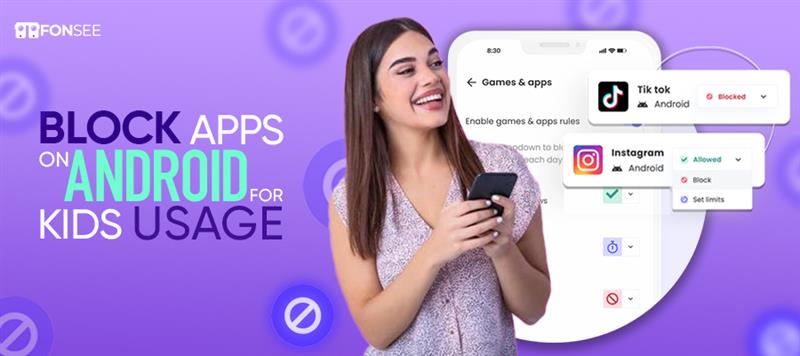
Parents also have some tools, including apps like FonSee that feature real-time monitoring, chat alerts, blocking in-app purchases, and a screen recorder. It is very important to impose limits—for example, only two hours of screen time on school nights—and to monitor friend lists and links clicked.
Surprisingly, 40% of children have had conversations with strangers online, and fake claims in 2024 totalled $12.5 billion. Minimise the risks with proactive parenting: open discussions about online safety, use of parental controls, and setting gaming-free periods such as dinner and bedtime. You can always teach children to “Play Your Game Responsibly.”